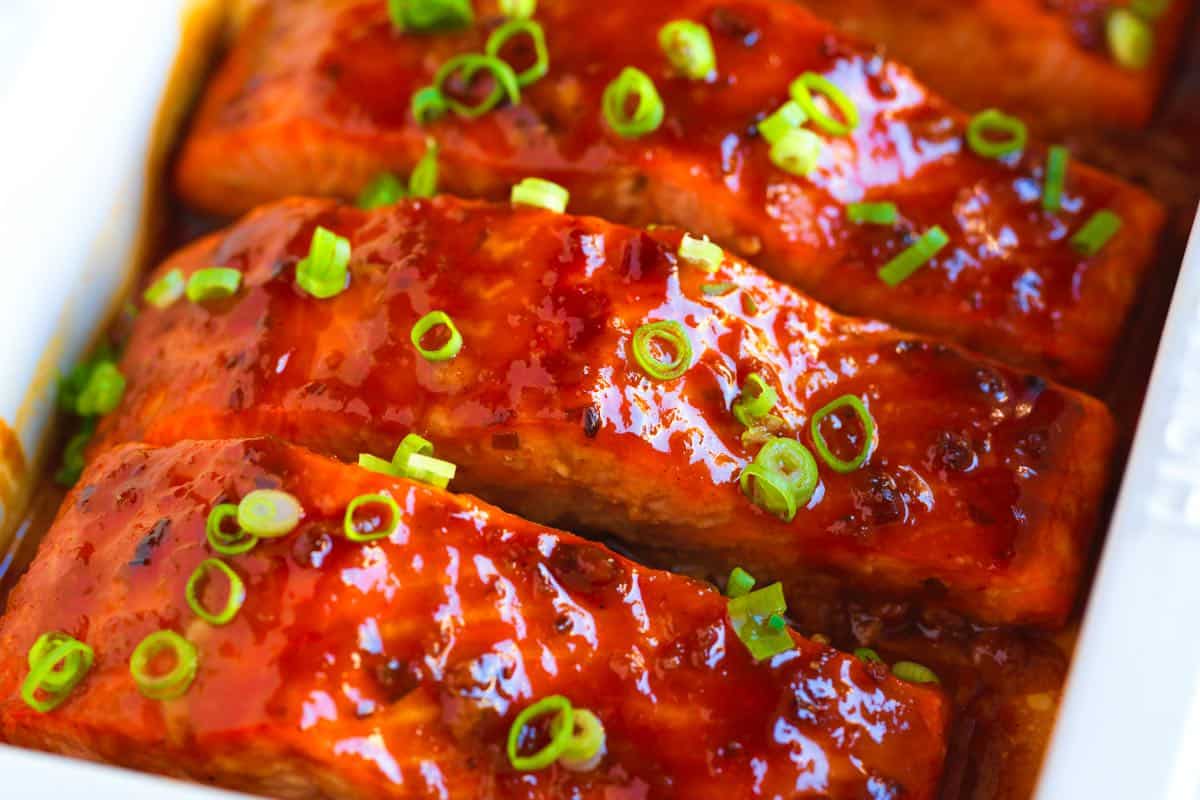
Unlock Weeknight Brilliance with Maple Soy Glazed Salmon
Imagine a dinner that looks like it took hours of culinary finesse but comes together in mere minutes, leaving you with rave reviews and a clean kitchen. This isn't a fantasy; it's the magic of maple soy glazed salmon. A true weeknight hero, this dish effortlessly combines sweet, salty, and a hint of spice into a glossy, irresistible coating that transforms a simple salmon fillet into an extraordinary meal. Whether you're aiming to impress guests or simply treat your family to a healthy, flavorful dinner, mastering this recipe is your ticket to culinary success. Let's dive into the secrets of achieving that perfect, restaurant-quality glaze and tender, flaky salmon every single time.
For many, the idea of a truly impressive dinner often conjures images of complex techniques and exotic ingredients. However, the beauty of maple soy glazed salmon lies in its elegant simplicity. It's a dish that "reads fancy" at the table, yet it's designed for the reality of a busy schedule. This recipe has been a saving grace for countless home cooks, including those juggling work and family, offering a fast, healthy, and incredibly flavorful solution. The harmonious blend of robust maple syrup and savory soy sauce, often brightened with a touch of sriracha, creates a dynamic flavor profile that appeals to nearly everyone, even the most discerning palates. This isn't just another salmon recipe; it's your new go-to for Minute Maple Soy Salmon: Your Fast Weeknight Flavor Hero that delivers consistent deliciousness without the fuss.
Why Maple Soy Glazed Salmon is Your Culinary MVP
- Speed & Efficiency: From start to finish, many versions of this recipe can be on your table in under an hour, with some variations boasting as little as 5 minutes of prep and 15 minutes in the oven. This makes it ideal for hectic weeknights.
- Irresistible Flavor Profile: The quintessential sweet-salty combination is universally loved. Maple syrup brings warmth and depth, while soy sauce provides umami and salinity. A whisper of sriracha adds a subtle warmth that elevates the entire dish without making it overtly spicy.
- Impressive Presentation: The hallmark of this dish is its brilliant, glossy, caramelized glaze. It clings to the salmon, making each fillet look like a culinary masterpiece, perfect for special occasions or just making a Tuesday feel special.
- Healthy & Wholesome: Salmon is a powerhouse of omega-3 fatty acids, lean protein, and essential vitamins. Paired with simple ingredients, it makes for a nourishing meal you can feel good about.
The Science Behind the Shine: Mastering Your Maple Soy Glaze
Achieving that perfectly shiny, sticky, and flavorful glaze on your maple soy glazed salmon isn't magic; it's a series of deliberate, easy-to-master techniques. Understanding the 'why' behind each step ensures consistent, mouthwatering results every time you cook this dish. This is where a few reliable methods truly make a difference, transforming a simple piece of fish into a culinary triumph.
The Art of the Marinade: Flavor Without Overpowering
The marinade is the heart of your flavor profile, typically a blend of maple syrup, soy sauce, and sriracha. But the key isn't just the ingredients; it's the duration. Salmon benefits from a *short* contact with soy-based marinades. We're talking 20 to 60 minutes, maximum. Why this specific window?
- Flavor Infusion: This short period allows the sweet, salty, and spicy notes to penetrate the surface of the salmon, imparting delicious flavor without changing its delicate texture.
- Avoiding "Curing": Soy sauce, high in sodium, can begin to "cure" or "cook" the fish if left for too long. This process can make the salmon firmer, almost rubbery, and less delicate, losing its desirable tender flakiness. The short marinating time bypasses this issue entirely.
Pro Tip: Patting your salmon fillets thoroughly dry with paper towels before marinating is crucial. Excess surface moisture can dilute your marinade and prevent proper caramelization later. Turning the bag or dish once during marinating also ensures even coating.
High Heat Baking: Locking in Moisture and Flavor
Once marinated, the salmon goes into a hot oven. The high temperature serves a critical purpose:
- Quick Cook, Moist Interior: A high baking temperature (often 400-425°F or 200-220°C) ensures a rapid cook, minimizing the time the fish spends in the oven. This fast searing action helps to lock in moisture, resulting in a tender, flaky interior.
- Maillard Reaction: The dry heat, combined with the sugars from the maple syrup on the surface, encourages the Maillard reaction—a chemical reaction between amino acids and reducing sugars that gives browned food its distinctive flavor and color. This contributes to the developing caramelization on the salmon's surface.
The Glaze Reduction: Safety, Concentration, and Shine
One of the most ingenious techniques in this recipe is how the glaze is made. After you remove the raw salmon from its marinade, you reserve the leftover liquid. This isn't just for convenience; it's for safety and maximum flavor:
- Food Safety First: By reducing the reserved marinade separately on the stovetop, you cook out any potential bacteria from contact with raw fish. This makes it perfectly safe to spoon over your cooked salmon.
- Concentrated Flavor: As the marinade simmers, water evaporates, concentrating the flavors and thickening the sauce. This process transforms a thin liquid into a rich, syrupy glaze that adheres beautifully to the fish.
- Ultimate Shine: The final spooning of this hot, reduced glaze over the cooked salmon just before serving adds an incredible sheen and a fresh burst of intense flavor, without overcooking the delicate fish. This is a hallmark of truly Foolproof Maple Soy Glazed Salmon: Easy Steps for Consistent Results.
From Pantry to Plate: Crafting Your Maple Soy Glazed Salmon Masterpiece
With the science understood, let's turn our attention to the practical steps of bringing this incredible maple soy glazed salmon to your dinner table. The beauty is in the straightforward process, allowing even novice cooks to achieve impressive results.
Essential Ingredients for Success
- Salmon Fillets: Opt for high-quality, fresh or responsibly sourced frozen salmon fillets, about 6 oz each, with skin on or off (skin-on often helps keep the fish moist).
- Maple Syrup: Pure maple syrup is non-negotiable. Avoid artificial pancake syrups, which lack the complex flavor and won't caramelize correctly.
- Soy Sauce: Use a good quality regular or low-sodium soy sauce. For gluten-free needs, tamari is an excellent substitute.
- Sriracha: This chili sauce adds a lovely subtle heat and depth. Adjust to your preference, or omit if you prefer no spice.
- Optional Enhancers: Fresh ginger (grated), garlic (minced), and a dash of sesame oil can add further aromatic complexity to your marinade.
Step-by-Step Guide to a Flawless Glaze
- Prepare the Marinade: In a shallow dish or a resealable bag, whisk together the maple syrup, soy sauce, sriracha, and any optional ingredients like ginger or garlic.
- Marinate the Salmon: Pat the salmon fillets completely dry. Place them in the marinade, ensuring they are well coated. Seal the bag or cover the dish and refrigerate for 20-60 minutes, turning once halfway through. *Remember, do not marinate for longer than an hour to preserve salmon texture.*
- Preheat Oven & Prep Baking Sheet: While the salmon marinates, preheat your oven to a high temperature, typically 400-425°F (200-220°C). Line a baking sheet with parchment paper or foil for easy cleanup, and lightly grease it.
- Bake the Salmon: Remove the salmon from the marinade, letting any excess drip off. Reserve the leftover marinade for your glaze! Place the salmon skin-side down (if applicable) on the prepared baking sheet. Bake for 12-18 minutes, depending on the thickness of your fillets, or until the salmon is opaque throughout and flakes easily with a fork. An internal temperature of 145°F (63°C) is ideal.
- Reduce the Glaze: While the salmon bakes, pour the reserved marinade into a small saucepan. Bring it to a simmer over medium heat and cook for 5-10 minutes, stirring occasionally, until it has thickened to a syrupy consistency that coats the back of a spoon. Be mindful not to let it burn.
- Serve with Shine: Once the salmon is cooked, transfer it to serving plates. Generously spoon the hot, reduced maple soy glaze over each fillet. Garnish with sesame seeds, sliced green onions, or fresh cilantro for an added touch of freshness and visual appeal.
Essential Tips for a Flawless Finish
- Don't Overcook: Salmon cooks quickly. Err on the side of slightly underdone rather than overcooked, which can result in dry, tough fish. A meat thermometer is your best friend here.
- Glaze Consistency: If your glaze is too thin, continue to simmer until it thickens. If it gets too thick, you can add a tiny splash of water or broth to thin it out.
- Skin-On Advantage: Baking salmon with the skin on can help protect the flesh from drying out and can make it easier to handle. You can easily remove the cooked skin before serving if preferred.
Elevate Your Meal: Serving Suggestions and Customization Tips
Your perfectly cooked maple soy glazed salmon is a star in its own right, but pairing it with complementary sides and adding personal touches can truly complete the dining experience. This dish is incredibly versatile, adapting to various tastes and dietary needs.
Perfect Pairings: What to Serve with Your Salmon
The rich, sweet-salty flavor of the glaze makes it an ideal match for a range of sides that provide balance and freshness:
- Roasted Vegetables: Broccoli, asparagus, green beans, or Brussels sprouts roasted with a touch of olive oil and garlic offer a healthy, vibrant counterpoint. Their slight bitterness or earthiness cuts through the richness of the glaze beautifully.
- Grains: Fluffy jasmine rice, brown rice, quinoa, or even a light couscous salad absorb the extra glaze wonderfully and provide a satisfying base.
- Fresh Salads: A crisp green salad with a light vinaigrette, or an Asian-inspired slaw with shredded cabbage and carrots, offers a refreshing contrast and adds texture.
- Creamy Mashed Potatoes or Cauliflower Puree: For a more comforting meal, a creamy potato or cauliflower mash provides a smooth, indulgent backdrop for the flavorful salmon.
Customizing Your Maple Soy Glazed Salmon
Don't be afraid to experiment and make this recipe your own:
- Adjusting the Heat: For a spicier kick, increase the sriracha. If you prefer less heat, reduce it or replace it with a pinch of red pepper flakes. Gochujang is another excellent alternative for a Korean-inspired warmth.
- Aromatic Boosts: Incorporate freshly grated ginger and minced garlic into your marinade for an extra layer of fragrant flavor. A teaspoon of toasted sesame oil can also add a delightful nutty aroma.
- Citrus Brightness: A squeeze of fresh lime or lemon juice over the cooked salmon just before serving can add a wonderful zesty lift that brightens the whole dish.
- Herbaceous Touches: While Asian flavors often dominate, fresh cilantro or finely chopped chives can add a lovely green finish and a fresh herbaceous note.
Troubleshooting Common Glaze Issues
- Glaze Too Thin: If your reduced glaze isn't thickening, simply continue simmering over medium heat, stirring frequently, until it reaches the desired consistency. It will thicken a bit more as it cools.
- Glaze Too Thick/Burned: If the glaze becomes too thick or starts to burn, immediately remove it from the heat. You can try thinning it slightly with a tablespoon of water or low-sodium chicken/vegetable broth, whisking vigorously. If it's burned, it's best to start over with a fresh batch of reserved marinade to avoid a bitter taste.
- Salmon Drying Out: This usually means it's overcooked. Use a thermometer next time, or reduce baking time slightly. Basting the salmon with some of the glaze during the last few minutes of baking can also help retain moisture.
Conclusion
The journey to achieving a perfect maple soy glazed salmon is simpler than you might think, yet the rewards are immeasurable. This dish truly stands out as a weeknight hero, capable of delivering immense flavor and impressive aesthetics with minimal effort. By understanding the straightforward techniques—a brief marinade, high-heat baking, and a careful glaze reduction—you unlock the secret to tender, flaky salmon adorned with that irresistible, glossy, sweet-salty coating. So, whether you're a seasoned chef or a home cook looking for a reliable showstopper, embrace the brilliance of this recipe. Your dinner table (and your taste buds) will thank you.
